Log In 

Lumens, Lux, Candela, Luminance: A Simple Guide to Lighting Specs

Choosing the right lighting for industrial, hazardous, or outdoor environments means understanding more than just wattage. Spec sheets often list lumens, lux, candela, and luminance. But what do these numbers actually mean for your project?


At Proximalight, we design and procure high-performance LED fixtures for demanding applications across Canada. This guide breaks down the four fundamental lighting quantities in plain language, so you can make informed decisions with confidence.

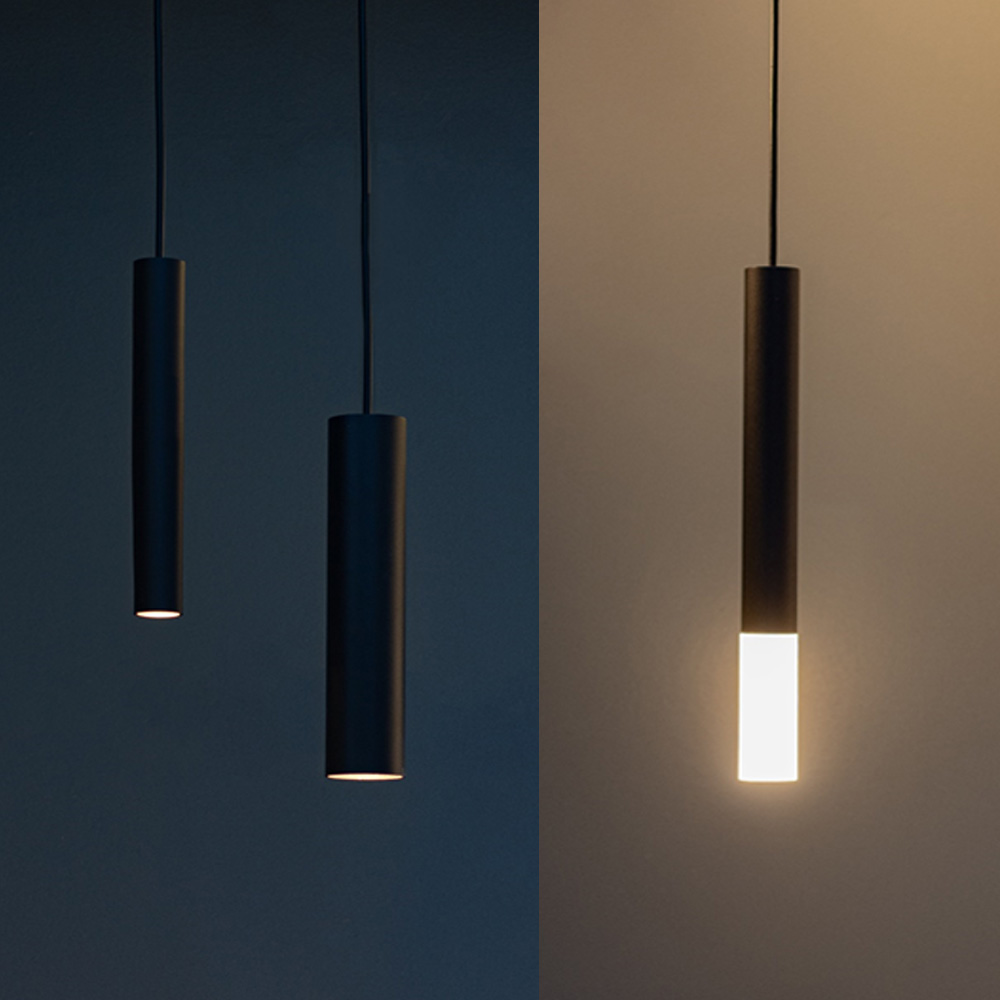
Proxima Pendant Lights

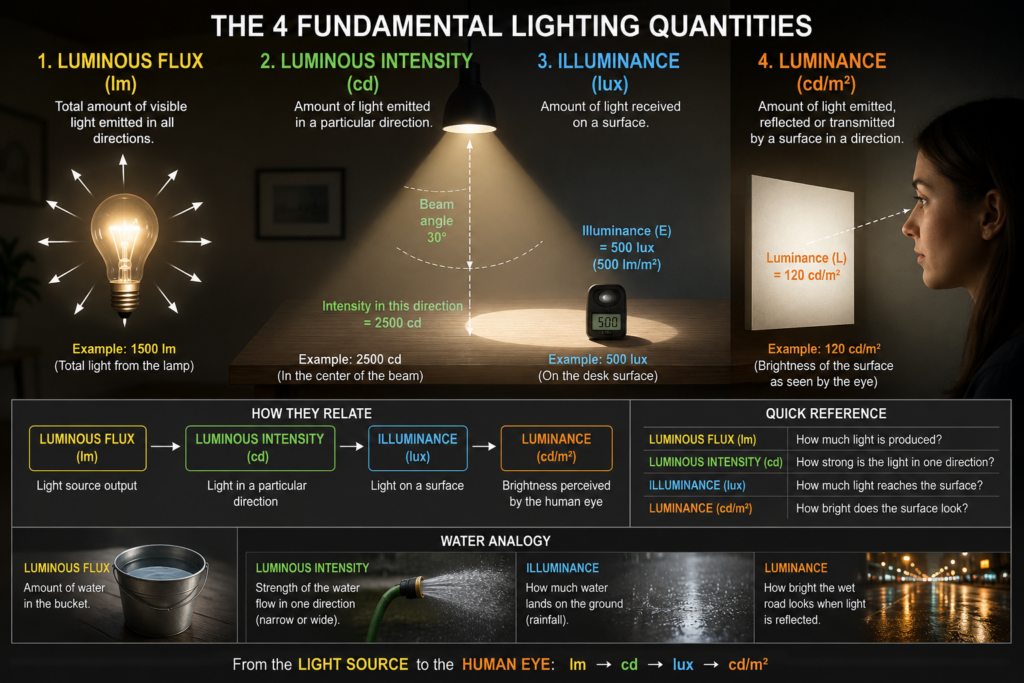
In order to intuitively understand the four photometric quantities that appear in lighting specifications, let’s take a look at an example.

A simple way to understand lumens is to think about water in a bucket. Luminous flux is like the amount of water inside the bucket. It tells you how much water there is available, not where it goes. So just as the bucket of water, when you choose a light source, there is a certain amount of light or lumens a light source can provide. It does not indicate the direction or concentration of the light. For example a typical 9 Watt LED light can produce 800 lumens, just as a 60 Watt incandescent light can produce 800 lumens. If the two light sources produce the same amount of lumens, they emit the same amount of light even if one is wide-beamed and the other one is narrow-beamed.

Now imagine a garden hose. If you pinch the hose while the same amount of water comes out, because the opening is smaller, a stronger jet happens. This is analogous to luminous intensity, being measured in candela (cd).

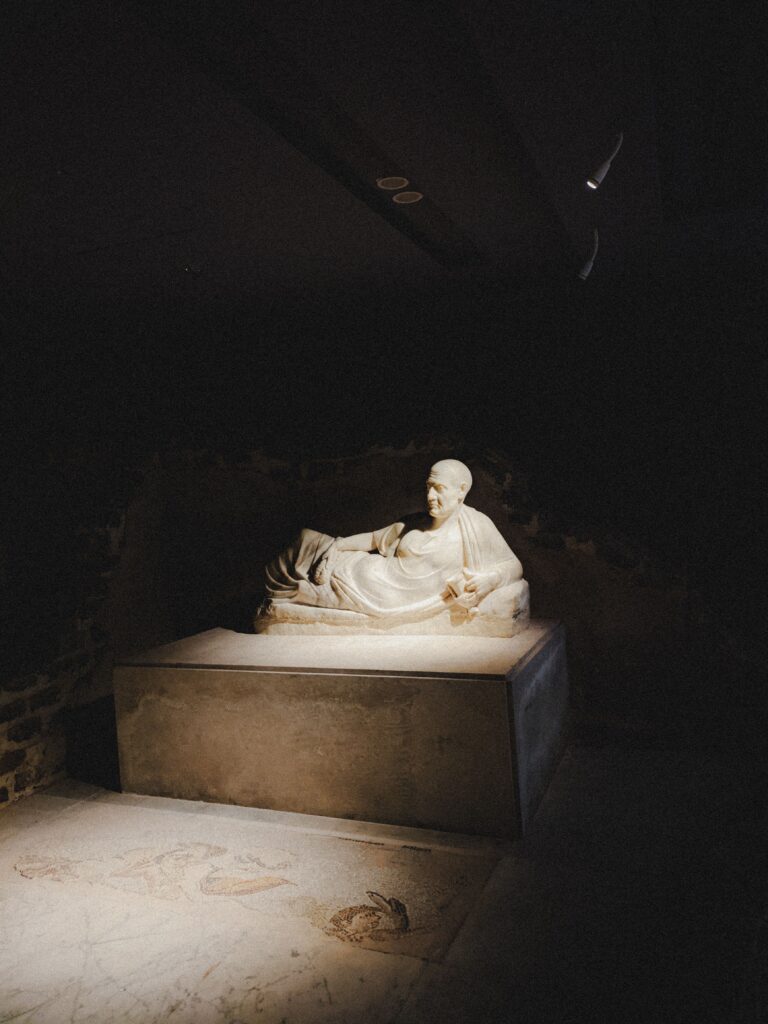
luminated Statue

In other words, luminous intensity is the concentration of light emitted in a specific direction.

Imagine two fixtures:

Fixture A

  • 3000 lm
  • 20° beam


Fixture B

  • 3000 lm
  • 120° beam


Both produce exactly the same lumens. However, fixture A has much higher candela because it concentrates the light into a smaller angle. Also keep in mind that higher candela doesn’t mean higher lumen. A laser pointer has enormous candela because its light is focused into an extremely narrow beam, but it has very little lumen output.

Now let’s imagine it is raining. Illuminance tells you how much rain lands on a given area of ground. In other words, the amount of light arriving on a surface is called illuminance and is measured in lux (lx) or lumen per square meter. This is what lighting designers usually calculate.

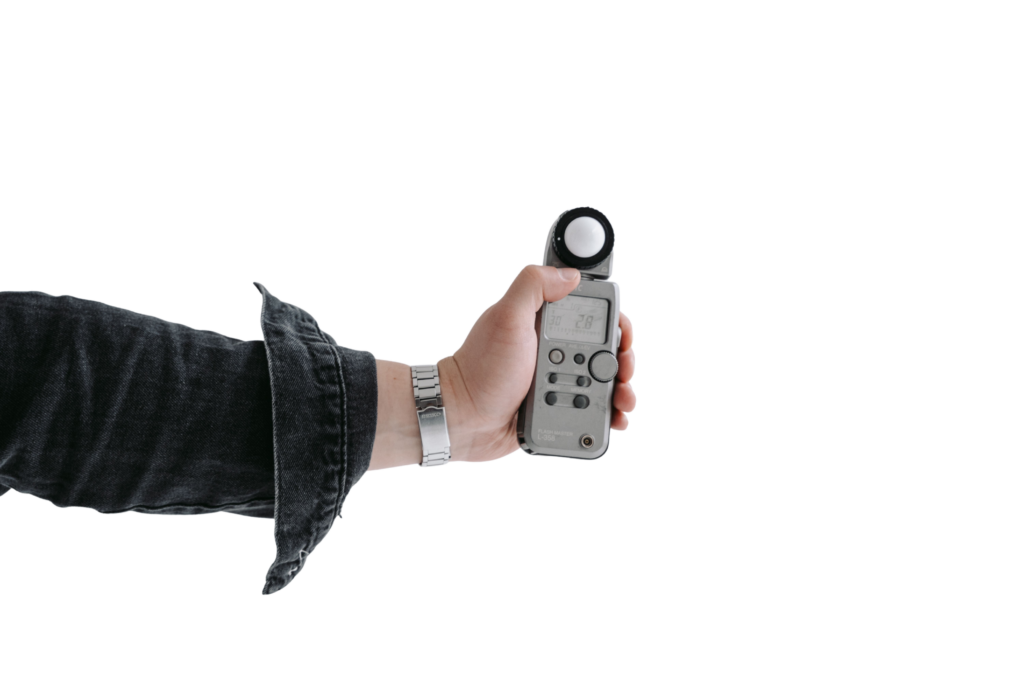
Lux meter

Keep in mind that illuminance (lux) depends on:

  • Light output
  • Beam angle
  • Mounting height
  • Distance
  • Room reflections


The optimum lux value for some of the below spaces is as follows:

Office

≈ 500 lux

Warehouse

≈ 200 lux

Road

≈ 10–30 lux

Full moon

≈ 0.2 lux

Sunny day

≈ 100,000 lux


Now imagine a wet road. When sunlight reflects from it, the road looks dazzling. That apparent brightness corresponds to luminance, which is measured in candela per square meter (cd/m²). It tells you how bright a surface appears when you look at it. This is the quantity responsible for glare. Luminance is what our eyes actually perceive as brightness. While illuminance tells you how much light arrives, luminance tells you how much light leaves the surface toward your eye. Luminance also depends on the reflectance of the surface and the viewing angle. This is important for glare and visibility.

High Candela

Examples:

White paper under office lighting

≈ 100–150 cd/m²

Computer monitor

≈ 250–350 cd/m²

Smartphone

≈ 500–1000 cd/m²

Sun

≈ 1.6 billion cd/m²

Relationship between the Four Quantities

Light source

      ▼

Luminous Flux (lm)

      │

distributed into directions

      ▼

Luminous Intensity (cd)

      │

falls on a surface

      ▼

Illuminance (lux)

      │

surface reflects (and viewing angle matters)

      ▼

Luminance (cd/m²)

Quick Memory Guide

Quantity

Unit

Question it answers

Luminous Flux

lm

How much light is produced?

Luminous Intensity

cd

How strong is the light in one direction?

Illuminance

lux

How much light reaches the surface?

Luminance

cd/m²

How bright does the surface look?

Lumen-lux-illuminance-luminance

A memorable one-sentence summary

  • Lumens = How much light leaves the lamp.
  • Candela = How concentrated that light is in a particular direction.
  • Lux = How much light lands on the task or floor.
  • Luminance = How bright the illuminated object appears to the human eye.


Every environment has unique lighting requirements. Proximalight procures energy-efficient LED light solutions engineered to perform in the toughest conditions and to meet the most challenging requirements.

If you’re planning a new installation or upgrading existing lighting, we’re here to help. Contact us to discuss your project.

Stay informed about the latest news